
Blog
Types of research chemicals

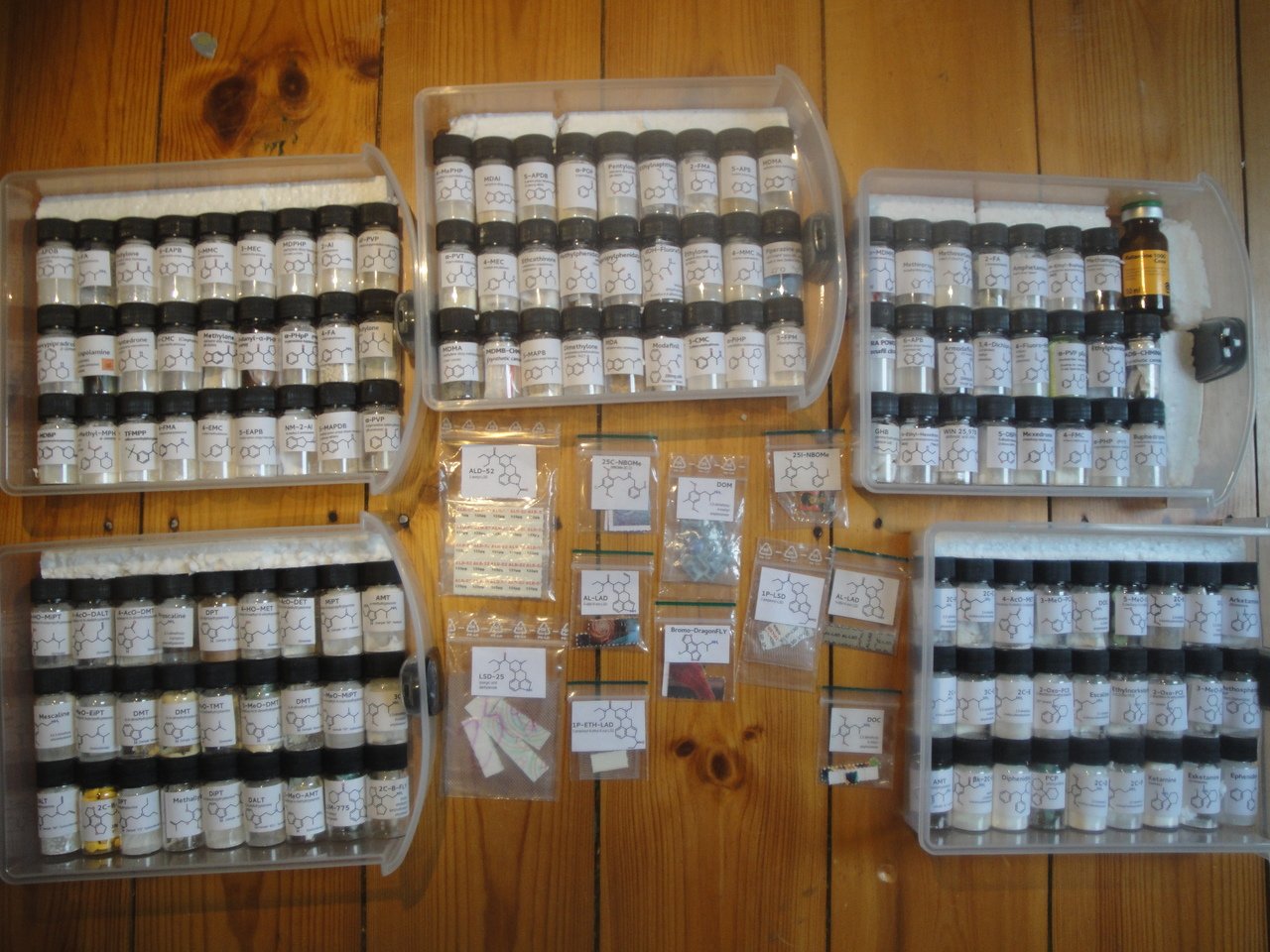
Types of research chemicals,
Research chemicals are unregulated, synthetic substances used for scientific, analytical, or forensic research, often designed to mimic the effects of controlled substances. They are typically categorized by their pharmacological effects or chemical structure, with major types including synthetic stimulants, hallucinogens, cannabinoids, and sedatives.
Key Types of Research Chemicals
-
- Synthetic Cannabinoids: These compounds act as agonists at cannabinoid receptors, designed to mimic the effects of THC. They are often marketed as “herbal incense” or “spice” (e.g., JWH-018).
- Synthetic Cathinones: Derivatives of the cathinone plant, these function as central nervous system stimulants
. Commonly known as “bath salts,” examples include mephedrone (4-MMC) and MDPV.
- Phenethylamines: This group includes compounds related to amphetamine and methamphetamine, designed to produce stimulant or hallucinogenic effects. Examples include 2C-B, 2C-I, and the highly potent 25I-NBOMe.
- Tryptamines: These are synthetic hallucinogens that often distort reality more significantly than other psychedelics. They are structurally related to serotonin and common examples include DMT, AMT, and 5-MeO-DiPT.
- Arylcyclohexylamines (Dissociatives): Marketed as legal alternatives to ketamine, these chemicals produce anesthetic and hallucinogenic effects. Examples include Methoxamine (MXE) and 3-MeO-PCP.
- Benzodiazepines/Sedatives: These are designed to mimic the sedative, anti-anxiety, and hypnotic effects of prescription benzodiazepines. Examples include etizolam, clonazolam, and flubromazolam.
- Piperazines: These act as stimulants and hallucinogens with effects similar to MDMA or amphetamines. Commonly reported members include BZP (benzylpiperazine) and mCPP.
- Synthetic Opioids: These are highly potent, unregulated alternatives to prescription painkillers, such as fentanyl analogs (e.g., acetyl fentanyl).
Common Forms and Risks
Research chemicals are sold in various forms, including tablets, powders, and blotter paper. They are often used for recreational purposes despite being labeled “not for human consumption”. Their use carries significant dangers, including seizures, severe toxic reactions, and unpredictable psychoactive effects.
Research chemicals are sold in various forms, including tablets, powders, and blotter paper. They are often used for recreational purposes despite being labeled “not for human consumption”. Their use carries significant dangers, including seizures, severe toxic reactions, and unpredictable psychoactive effects.